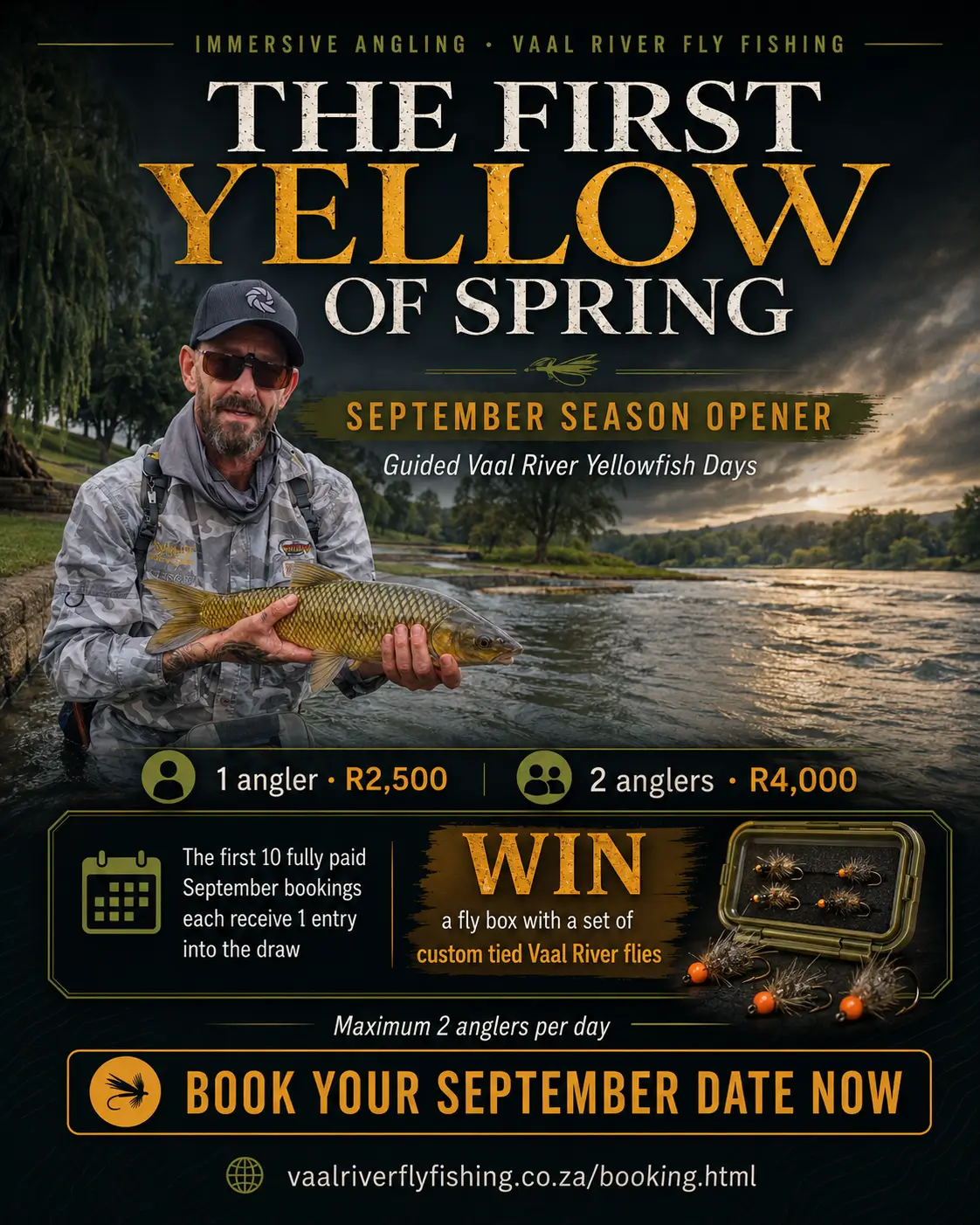
The First Yellow of Spring
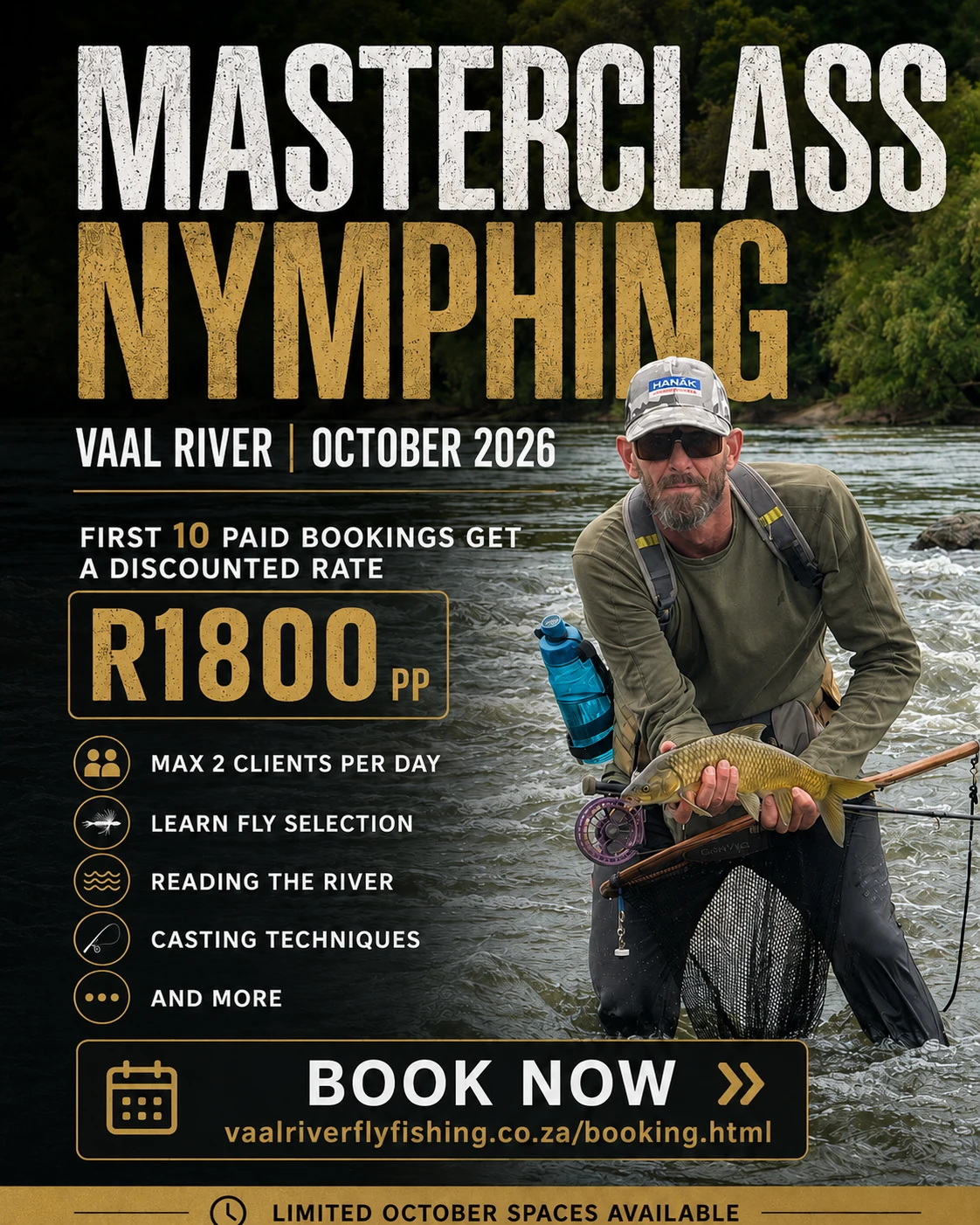
Book a guided September Yellowfish day and put your spring fly selection into practice. The first 10 confirmed and fully paid bookings each receive one draw entry.
Top of page

A practical fly list for Labeobarbus aeneus: what to fish, when to fish it, and how to choose tungsten bead size for Vaal flows. For broader planning, use the Vaal River Knowledge Centre, the current fishing report and the Vaal FAQ.
This page gives you the patterns and bead ranges. A guided day adds the missing pieces: where to stand, which seam to choose, how deep to fish and when to change weight, size or presentation.
Book a guided September Yellowfish day and put your spring fly selection into practice. The first 10 confirmed and fully paid bookings each receive one draw entry.
Focused coaching at Arendsnes on fly choice, bead weight, depth, river reading, casting and drift control. The discounted offer applies to the first 10 confirmed and fully paid individual anglers.
Booking process: request your preferred and backup dates first. Shayne confirms availability, river conditions and the safe plan before full payment is requested.
Match bead to flow depth and velocity. Change weight before colour.
| River State | Bead (mm) | Best Uses | Notes |
|---|---|---|---|
| Low / slow | 2.0–2.5 | Micro nymphs | Longer leaders |
| Moderate | 2.5–3.5 | Anchor + slim tag | Most Vaal days |
| Deep / fast | 3.0–4.0 | Caddis anchor | Tight-line control |
Guide tip: Change one variable at a time: depth → size → colour → speed.
Spring Yellowfish often need careful depth, bead and fly-size adjustments as the Vaal warms up. Read the Spring Yellowfish Fly Fishing on the Vaal River guide for seasonal fly choices, flow tips and booking timing.
At moderate Vaal River flows, a 3.0–3.5mm tungsten bead on a slim Perdigon often produces the most consistent bottom contact without over-drifting. Heavier than 4.0mm can cause unnatural drag in slower seams.
New to the river? Start with the Vaal River Fly Fishing Knowledge Centre, then check the current Vaal River fishing report.
Fly choice works best when it is matched to the day’s water temperature, flow, clarity and safe-wading conditions. Before tying on a heavier nymph or scaling down to micro patterns, check the latest river report and use the Knowledge Centre for the wider Vaal River planning route.
All Vaal River Yellowfish guides, tactics, booking links and planning resources in one place.
Use the current water temperature, seasonal status and safe-wading notes before choosing flies.
Fast answers about Yellowfish, flies, flows, safe wading, gear, booking and beginner trips.
Shayne adjusts bead weight, fly size, leader length and rig depth around the actual Vaal River flow and clarity. The difference between a 2.5mm and 3.5mm tungsten bead can decide the session — but so can where you stand and how the fly travels through the seam.
Use this when you arrive at the river and don’t want to overthink it. Start here, then fine-tune.
Deep/fast water → Caddis 3.0–4.0mm. Moderate water → Perdigon 2.5–3.5mm. Low/clear water → smaller Perdigon or micro nymphs.
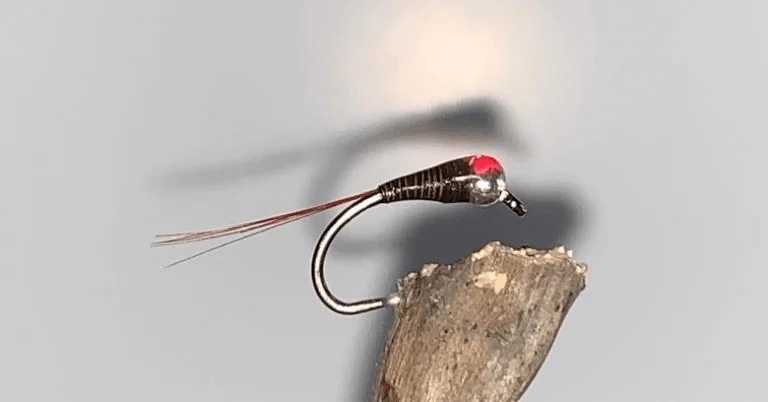
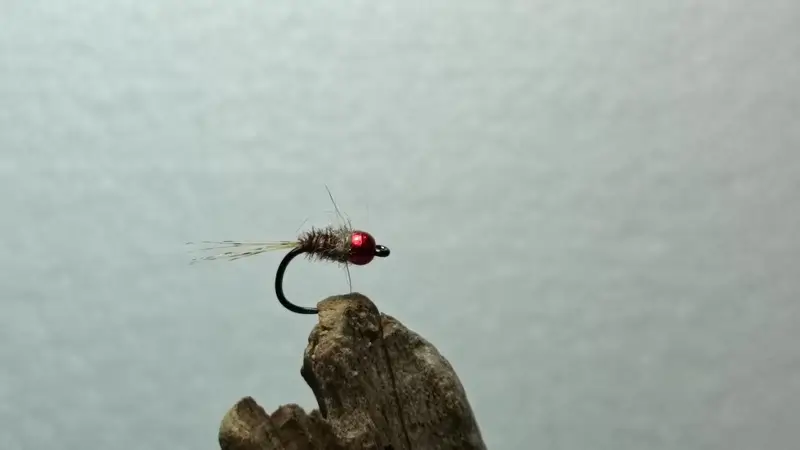
Start with PTN/Hotspot #16–18. Very clear water → Hare’s Ear #16–20 or Zebra Midge #18–20.
Not ticking bottom? Go heavier. Ticking too much? Go lighter. Good depth but no eats? Go smaller before changing colour.
Perdigon as the control fly and PTN Hotspot as the dropper.
For a full breakdown of tight-line technique, see our Vaal River Yellowfish tactics guide.
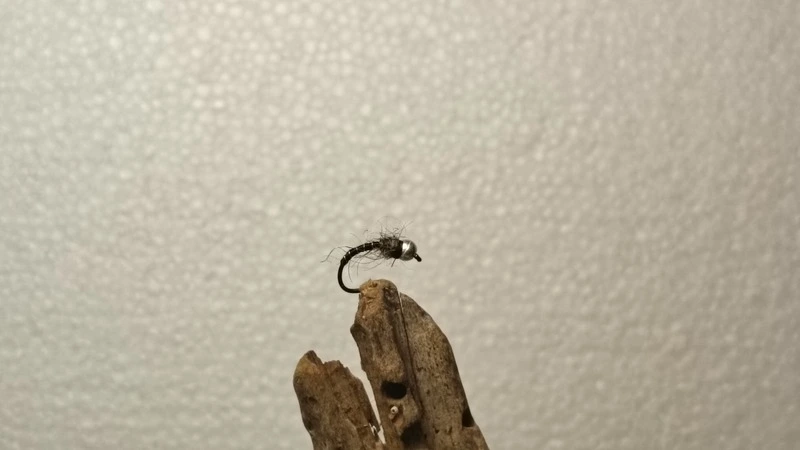
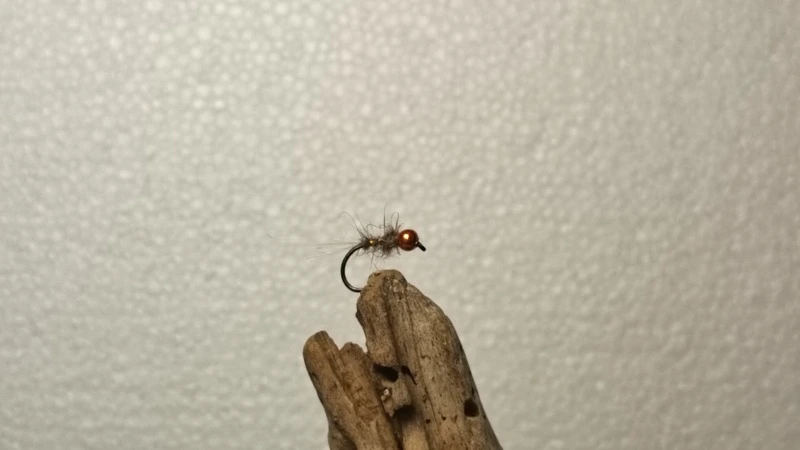
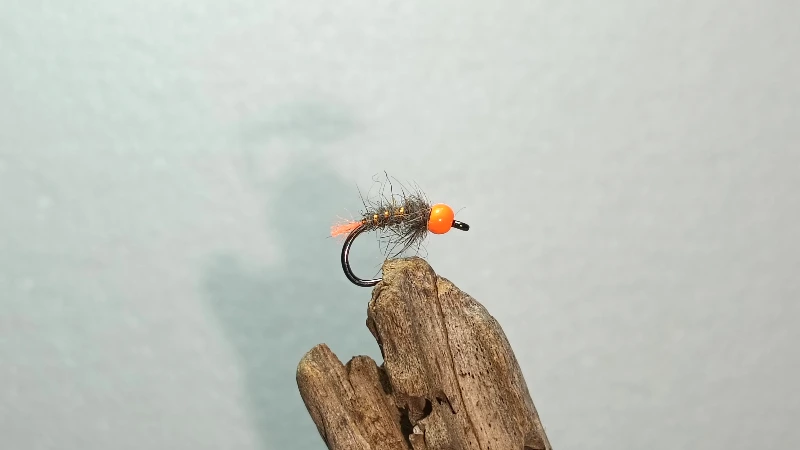
Carry a size range and vary bead weight to control depth and drift speed. These are proven producers on the Vaal with quick “when to fish” notes.

Fast sinker for riffles and pockets. Colours: olive, black, copper and more.
Euro and indicator dropper; great as control / anchor in two-fly rigs.

All-rounder; natural mayfly profile with a touch of pop.
Anytime pattern for glides, seams and mixed water.

Deadly in rapids, seams and soft edges; fish shallow.
Ideal early morning and late afternoon.

Year-round food item; great in moderate seams.
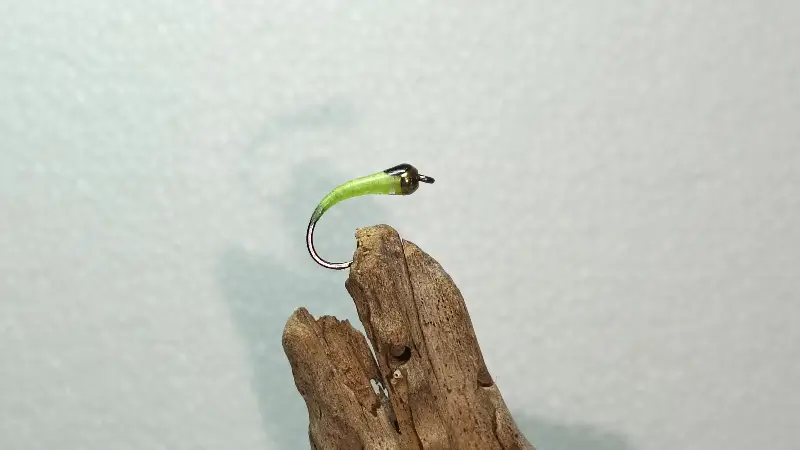
Olive, tan and bright green variations.

Shallow water seams and pockets; micro profile.
Black; useful in riffles and seams.

Versatile nymph to prospect pockets and runs.
Works as a dropper in slower glides or tag behind a heavier control fly.
Bring the flies and tackle you already own. During a guided day, Shayne will help you simplify the box, choose the correct control fly, adjust depth and identify the seams worth fishing — without turning every river visit into another guessing game.
For most Vaal days, a two-fly setup works well: a heavier control fly such as a Perdigon or Caddis, plus a slimmer tag/dropper such as a PTN, Hare’s Ear or Zebra Midge. Change weight first, then size, then colour — and only then adjust drift speed.
Start with a two-fly rig: a heavier control fly such as a Perdigon or Caddis to set depth, plus a smaller natural dropper such as a Pheasant Tail or Hare’s Ear.
Low or slow water usually needs 2.0–2.5mm. Moderate Vaal flows often suit 2.5–3.5mm. Deep or faster seams may need 3.0–4.0mm. Change depth or weight before changing colour.
Use a Perdigon when you need to get down fast in riffles, pockets or deeper seams, or when you want a stable control fly in a two-fly Euro nymphing rig.
A Pheasant Tail is a strong all-round dropper when Yellowfish are feeding on mayfly-style nymphs in seams, glides and mixed current lanes.
Yes, CDC emergers can be useful when fish feed high in the water, sip near the surface, or hold along softer edges during warmer and clearer periods.
Use smaller, slimmer flies such as Zebra Midges, small Hare’s Ears, slim PTNs and micro Perdigons. Fish longer leaders, lighter tippet and quieter presentations.
Start with a heavier anchor fly such as a Caddis Larva or Perdigon in the 3.0–4.0mm bead range, then add a slimmer natural dropper above it.
Change bead size and depth first. If your flies are not reaching the feeding lane, colour will not matter much. Once depth is right, then adjust size, profile, colour and drift speed.
Hotspot flies can help in stained water, faster runs or when fish need a small trigger. In clear, cold or pressured water, start more natural and reduce flash.
Yes. The same fly patterns can work in both methods. Euro nymphing gives better contact in pocket water and seams, while indicator rigs help in wider, steadier runs.
No. Beginners are better off carrying a focused selection of proven flies in a few sizes and bead weights. A guided day will show which flies matter most for the current flow and clarity.
Use the Vaal River Fly Fishing Report for current water temperature, seasonal status and safe-wading notes, then use this page for fly and bead selection.
Spend a full guided day learning river reading, fly selection, bead choice and depth control in real water. Maximum two anglers for focused coaching.
Full payment is requested only after the date, availability and river plan are confirmed.