The complete tactical guide: leader recipes, bead sizes by flow, water reading, strike detection, troubleshooting and when to switch to indicator nymphing. Pair this with the latest Vaal River fishing report before choosing your setup.
Euro nymphing is one of the most effective ways to catch Vaal River Smallmouth Yellowfish in riffles, seams, pocket water and short controlled lanes. Start with a 10–11ft nymphing rod, thin mono or Euro line, visible sighter, 4–6ft fluorocarbon tippet and two flies: a heavier control fly plus a smaller dropper. Before fishing, check the current Vaal River report, then use the flow and bead-size guide to match weight to depth.
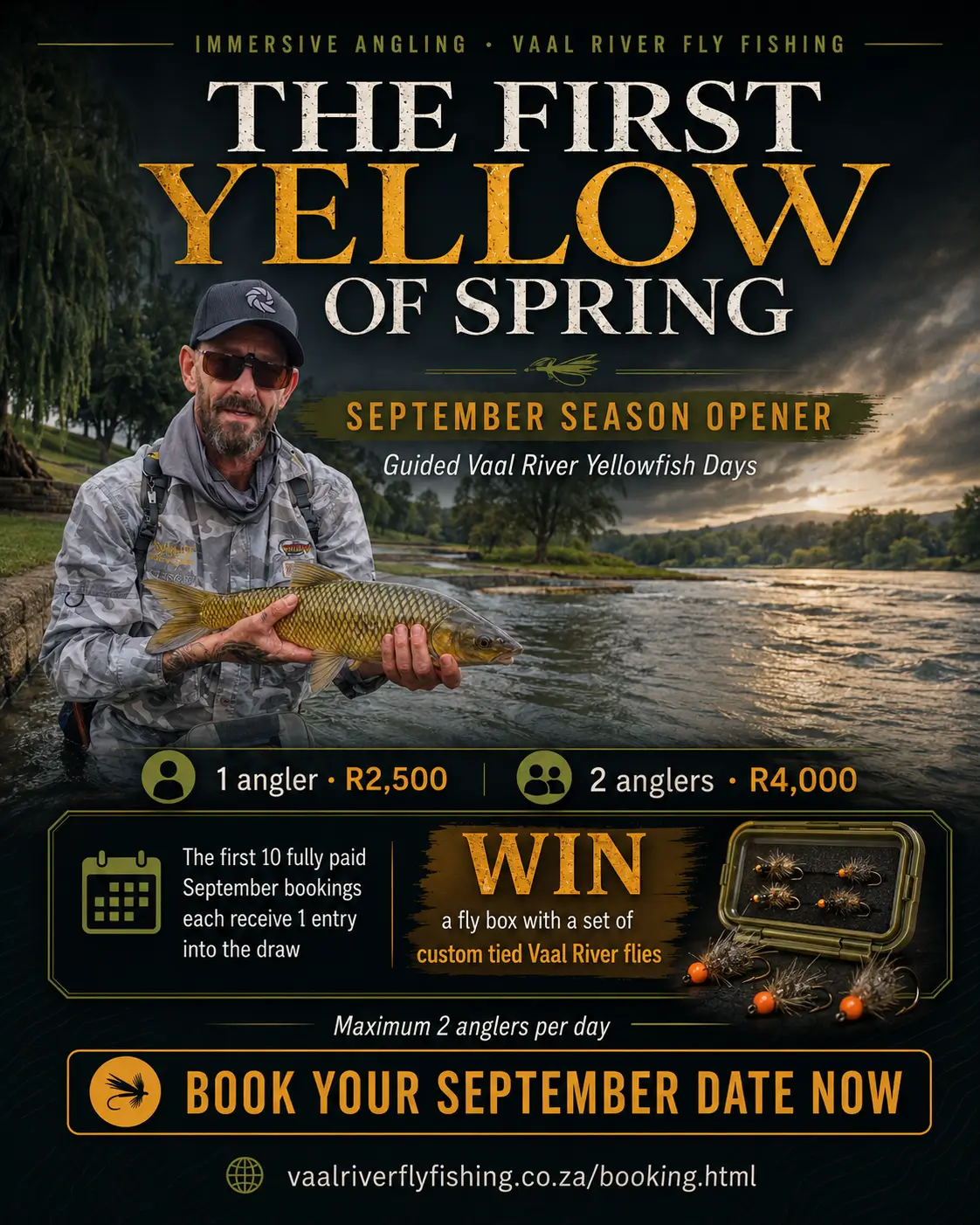
September 2026 · Season Opener
The First Yellow of Spring.
Book a guided September Yellowfish day and put the Euro nymphing system on real Vaal water.
One of the first 10 confirmed and fully paid bookings will win a fly box filled
with a custom-tied selection of Vaal River flies. One draw entry applies per booking.
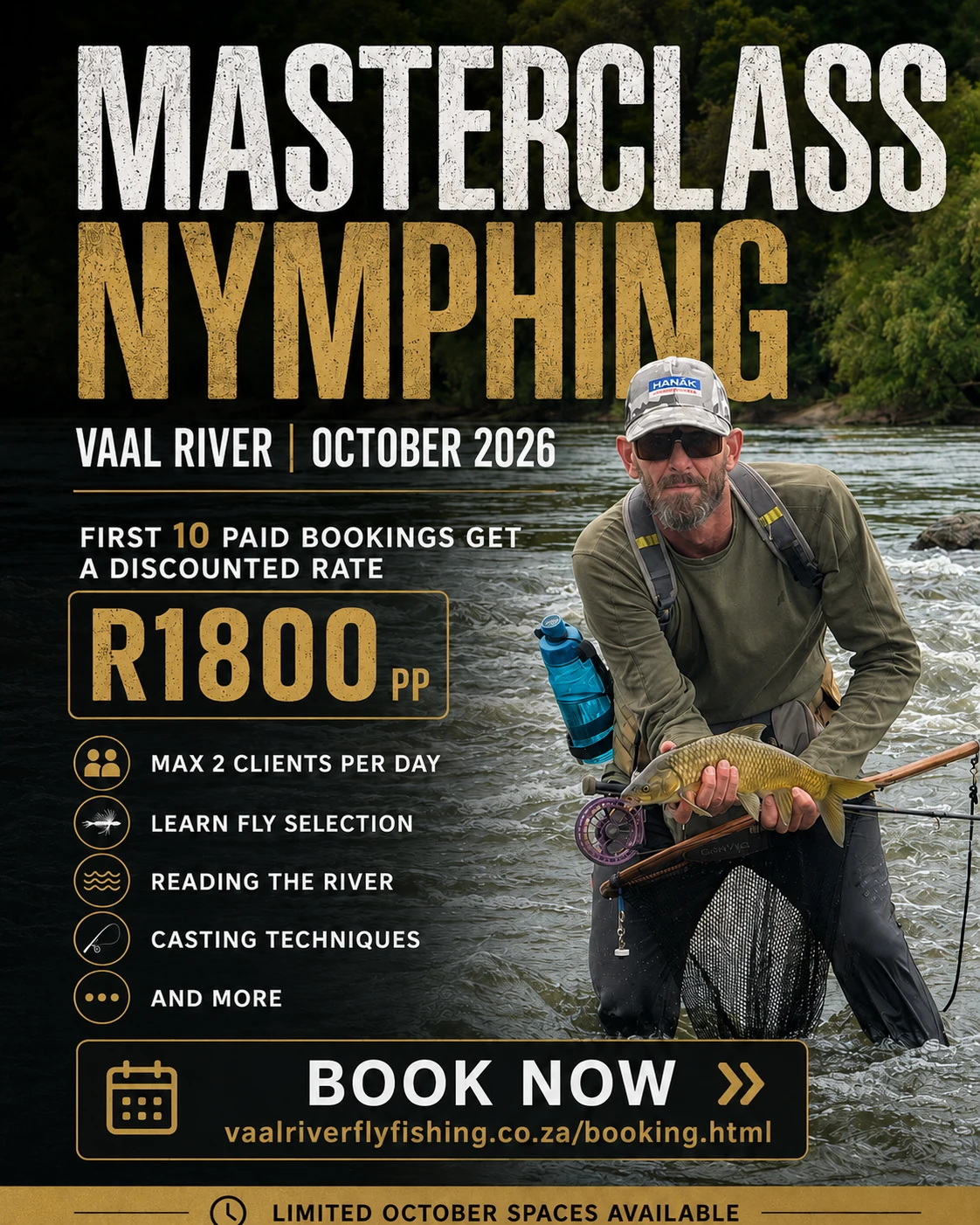
Focused coaching on river reading, fly selection, bead weight, casting, depth control and clean
drifts. The discounted rate applies to the first 10 confirmed and fully paid individual anglers.
Maximum two anglers per guided day.
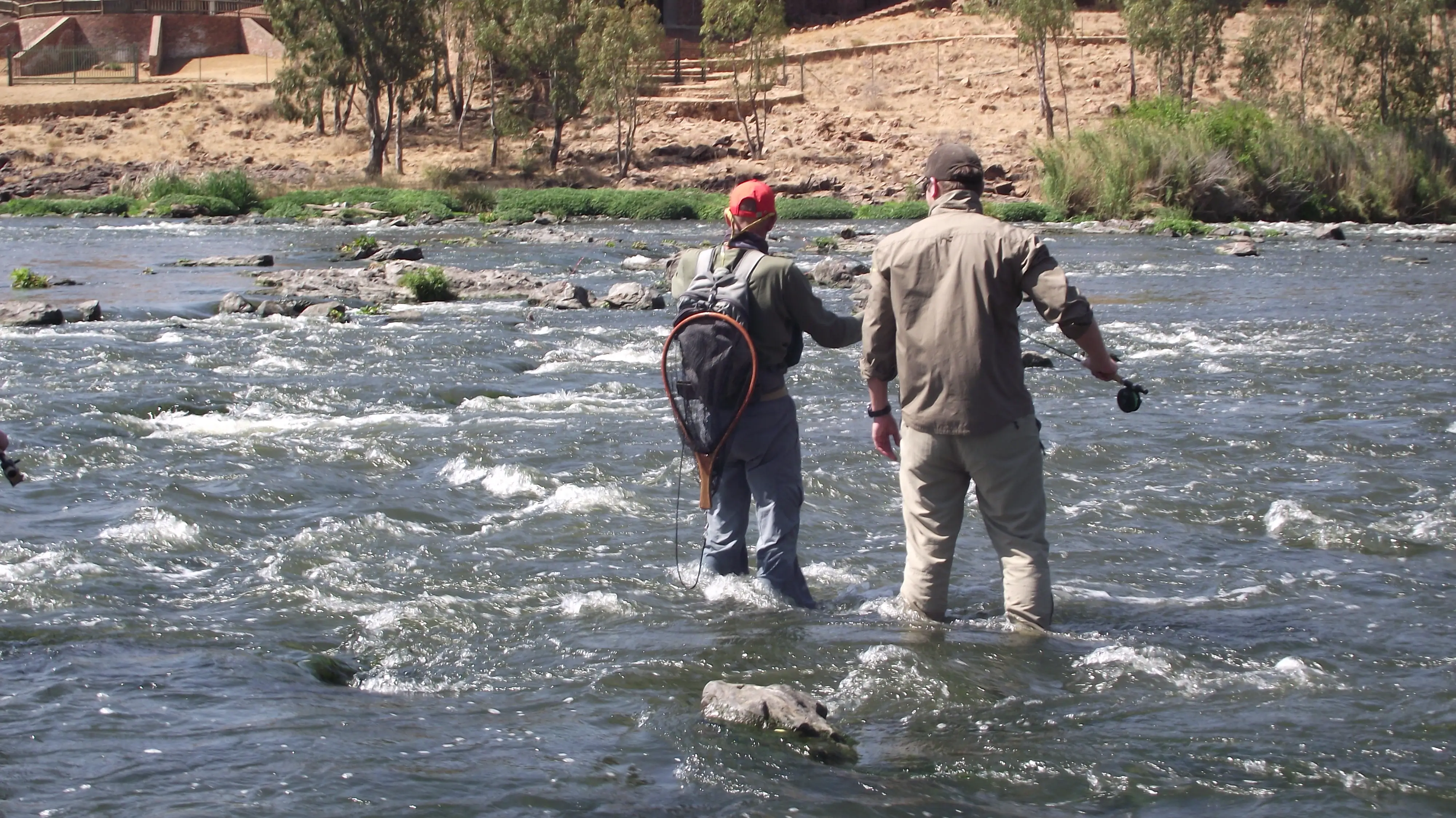
A written setup is useful, but the breakthrough usually happens on the river: choosing the correct lane, matching bead weight to depth, controlling the sighter and recognising subtle takes. Shayne guides a maximum of two anglers for focused, practical coaching.
1 angler R2,500
2 anglers R4,000
Full payment is requested only after your preferred date, availability and safe river plan are confirmed.
Euro nymphing depends on depth, flow speed, clarity and water temperature. Before choosing bead size or leader length, check whether the river is actually worth fishing on the day.
In cold winter water, Yellowfish activity can slow sharply. When water sits around the low teens, use the report page to decide whether to fish now or plan for the stronger September onwards window.
Use This Guide as Part of the Vaal Knowledge Catalogue
This Euro nymphing page explains the method. For a complete decision path, pair it with the wider Vaal River content hub, current report, flow guide and FAQ.
When Euro Nymphing Beats Indicator Nymphing on the Vaal
Euro nymphing wins whenever the river gives you multiple current lanes, seams, pockets, boulders, tongues and riffles. The Vaal often has fast surface flow with slower near-bottom flow. If something is riding on the surface, it can pull your flies unnaturally fast.
Choose Euro When
Riffles and broken water
Seams alongside faster flow
Pocket water around rocks
Short to medium drifts
Subtle takes and pressured fish
Euro Is Harder When
Wide slow glides need long drifts
Wind and distance make tight-line control hard
Deep slow water favours suspension
Obstacles behind you limit movement
Gear & Leader Recipes
The fastest way to improve your Euro nymphing results is to standardise your setup and only change weight, drift lane and distance.
Euro Leader Recipe
Main line: thin Euro line or mono.
Sighter: hi-vis section you can see.
Tippet ring: protects the sighter and makes changes quick.
Tippet: 3X–5X depending on clarity and snags.
Two flies: heavier point fly and lighter dropper.
Point Fly
Heavier bead, usually 3.0–3.5mm, with streamlined caddis or mayfly/PTN-style profile.
Dropper Fly
Lighter bead or unweighted, smaller silhouette and subtle hotspot if needed.
Rod Angles & Distance
Keep your flies close enough that you can maintain contact through the drift. On the Vaal, that usually means fishing shorter than you think.
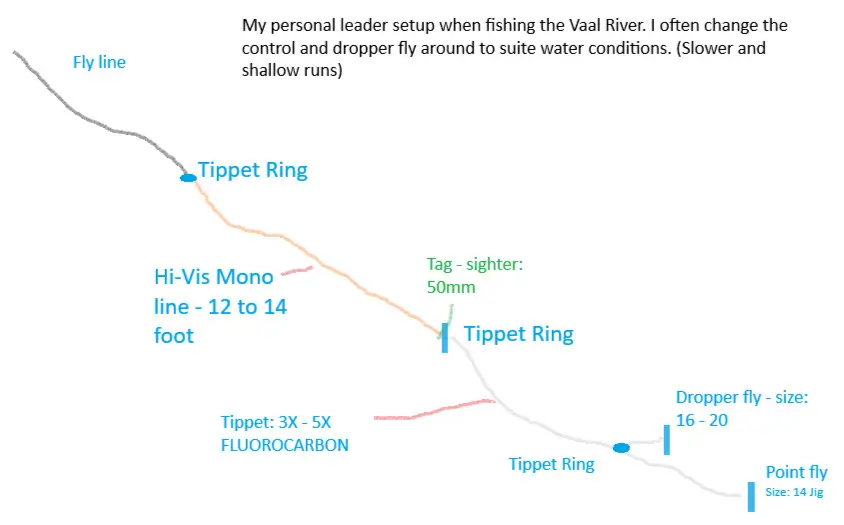
Euro Nymphing Leader Setup
Below is the leader structure used for Euro nymphing on the Vaal River. It balances sensitivity, depth control and natural drift.
Typical Vaal River Euro nymphing leader: 12–15lb hi-vis mono → tag-end sighter → tippet ring → 4–6ft fluorocarbon tippet → two weighted nymphs.
If you’re not touching bottom occasionally, you’re usually fishing too high. Change bead size before changing patterns.
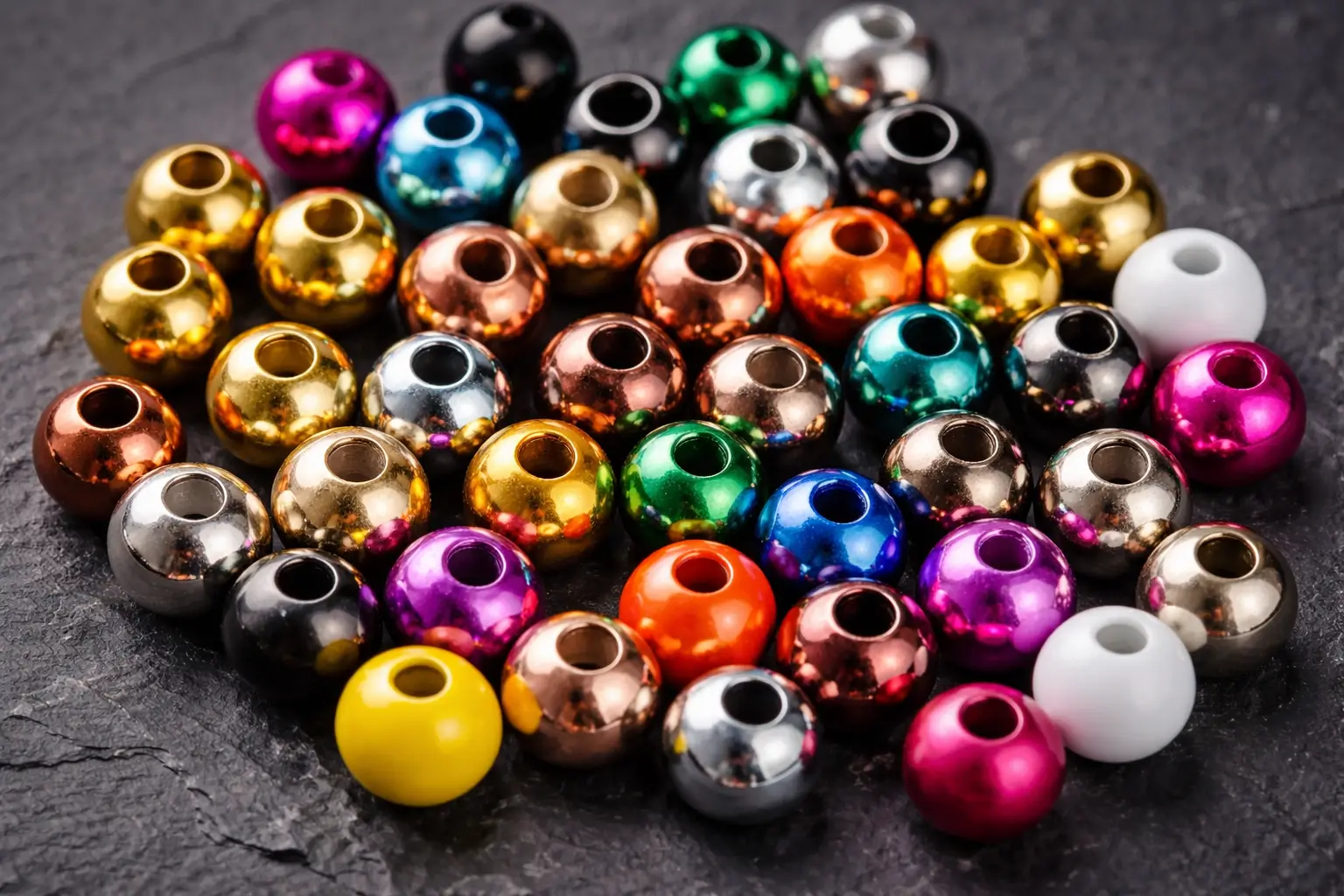
Condition
Bead size
Notes
Low & clear, spooky fish
2.3–2.5mm tungsten
Smaller profile; slower drifts; longer leaders often help.
Typical runs & seams
3.0–3.5mm tungsten
Your most-days starting point.
Deeper lanes / faster tongues
3.5–4.0mm tungsten
Get down quickly; shorten distance to keep control.
Too many snags
Drop or raise rod angle
Try a different drift lane before changing flies.
Tip: pair a heavier point fly with a lighter dropper. This keeps your rig tracking naturally and improves hook-up rates.
From Information to Execution
The right bead size is only the starting point.
On a guided day, Shayne helps you combine weight, rod angle, drift lane, distance and strike detection for the actual flow in front of you. That is where a written recipe becomes a repeatable fishing system.
Maximum two anglers. Full payment only after the date and safe river plan are confirmed.
Reading Vaal Water for Euro Nymphing
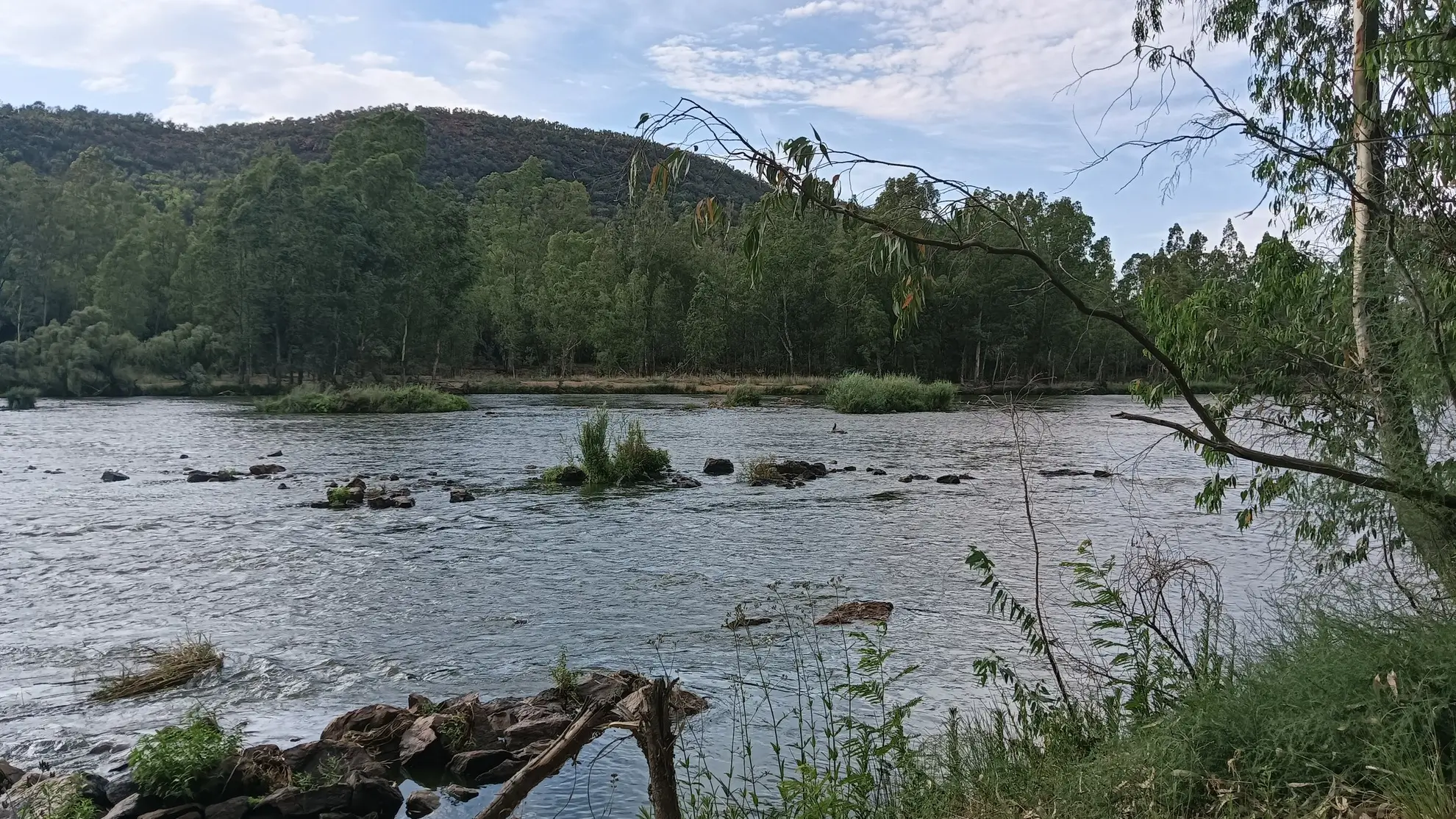
Yellowfish feed where they can hold position and intercept food. On the Vaal, that often means edges of fast water, seams and structure transitions.
High-Percentage Lanes
Seam lines
Rock tongues and V-current pushes
Depth changes
Tailouts where food funnels
Soft edges behind boulders
Common Misses
Fishing uniform flow only
Standing too close
Ignoring micro-depth changes
Not changing angle across seams
Overweighting and dragging bottom
Step-by-Step: The Vaal Euro Drift
Start close. Fish short controlled drifts first.
Lead the flies. Rod tip slightly ahead; sighter shows tension without towing.
Manage depth. Change bead size or lane before changing fly patterns.
Expect the take zone. Many eats happen as flies settle or enter slower lanes.
Finish clean. If you swing at the end, do it intentionally.
Casting Notes
Tuck cast: drives flies down quickly.
Set the angle before landing: reduces instant drag.
Keep slack purposeful: a slight cushion protects micro-takes.
Strike Detection
If the sighter does anything you didn’t expect, set. Stops, twitches, accelerations, hesitations or drifting “wrong” are all takes until proven otherwise.
Visual Cues
Sighter stops mid-drift
Sighter kicks sideways
Sighter speeds up unnaturally
Sighter dips or straightens suddenly
Feel Cues
Micro tap or tick that is not bottom
Pressure builds briefly
The drift goes light unexpectedly
A soft bump followed by slack
Troubleshooting
I Never Touch Bottom
Go heavier or shorten distance, and choose a lane with softer near-bottom speed.
I Snag Constantly
Drop bead size 0.5mm, raise rod angle or fish the seam edge.
I See Fish, No Takes
Slow the drift, reduce profile, lengthen leader and focus on natural depth.
Takes Feel Late
Fish closer, keep slight sag and set on earlier visual cues.
Indicator rigs shine when you need long drifts in slow glides, or when wind and distance make tight-line control unrealistic.
Indicator Baseline
Floating line → 9–12ft leader → 4X–5X tippet
Smaller yarn or foam indicator in technical water
Mend early to reduce surface drag
Euro Nymphing FAQ
What is Euro nymphing on the Vaal River?
Euro nymphing is a tight-line nymphing method where you use a long rod, thin leader and visible sighter to stay in direct contact with weighted flies. On the Vaal, it works especially well in riffles, seams, pockets and short controlled drifts for Smallmouth Yellowfish.
What is the best Euro nymphing setup for Yellowfish on the Vaal?
A practical setup is a 10–11ft 3–4wt nymphing rod, thin mono or Euro line, high-visibility sighter, tippet ring, fluorocarbon tippet and a two-fly rig with a heavier point fly and lighter dropper.
What bead size should I use on the Vaal River?
Low clear water usually starts around 2.3–2.5mm tungsten. Typical runs often need 3.0–3.5mm. Deeper or faster seams may need 3.5–4.0mm. Change weight before changing colour.
How do I know if I am fishing the right depth?
You want occasional light bottom ticks without constant snagging. If you never touch bottom, go heavier or shorten the drift. If you snag repeatedly, go lighter, raise the rod angle or change lane.
When does Euro nymphing beat indicator nymphing?
Euro nymphing is strongest in riffles, broken water, seams, pocket water, boulder fields and short to medium drifts where tight contact helps control multiple current lanes.
When should I switch from Euro nymphing to an indicator?
Switch to an indicator in slow, wide glides where long drifts matter more than tight contact, or when wind and distance make tight-line control unrealistic.
What flies work best for Euro nymphing Yellowfish?
Slim Perdigons, Pheasant Tail nymphs, caddis larvae, Hare’s Ear nymphs and small hotspot patterns are strong choices. The correct bead weight and drift are usually more important than exact colour.
Should I fish one fly or two flies?
A two-fly rig helps because the heavier point fly controls depth while the lighter dropper offers a smaller profile. A single fly can be cleaner in snaggy water or when fish are spooky.
How long should the tippet be below the sighter?
For many Vaal Euro setups, 4–6ft of fluorocarbon below the tippet ring is a practical starting point. Adjust based on depth, clarity, rod angle and how close the sighter sits to the water.
What is the most common Euro nymphing mistake on the Vaal?
Fishing too far. Shorter controlled drifts immediately improve contact, strike detection and depth control, especially in mixed Vaal current lanes.
Is Euro nymphing beginner friendly?
Yes, with guidance. It looks technical at first, but beginners often improve quickly once they learn rod angle, short drifts, bead choice and how to watch the sighter.
How do current conditions affect Euro nymphing?
Flow, clarity and water temperature affect where Yellowfish hold and how active they are. Check the Vaal River fishing report before fishing, then adjust bead size, lane choice and expectations.
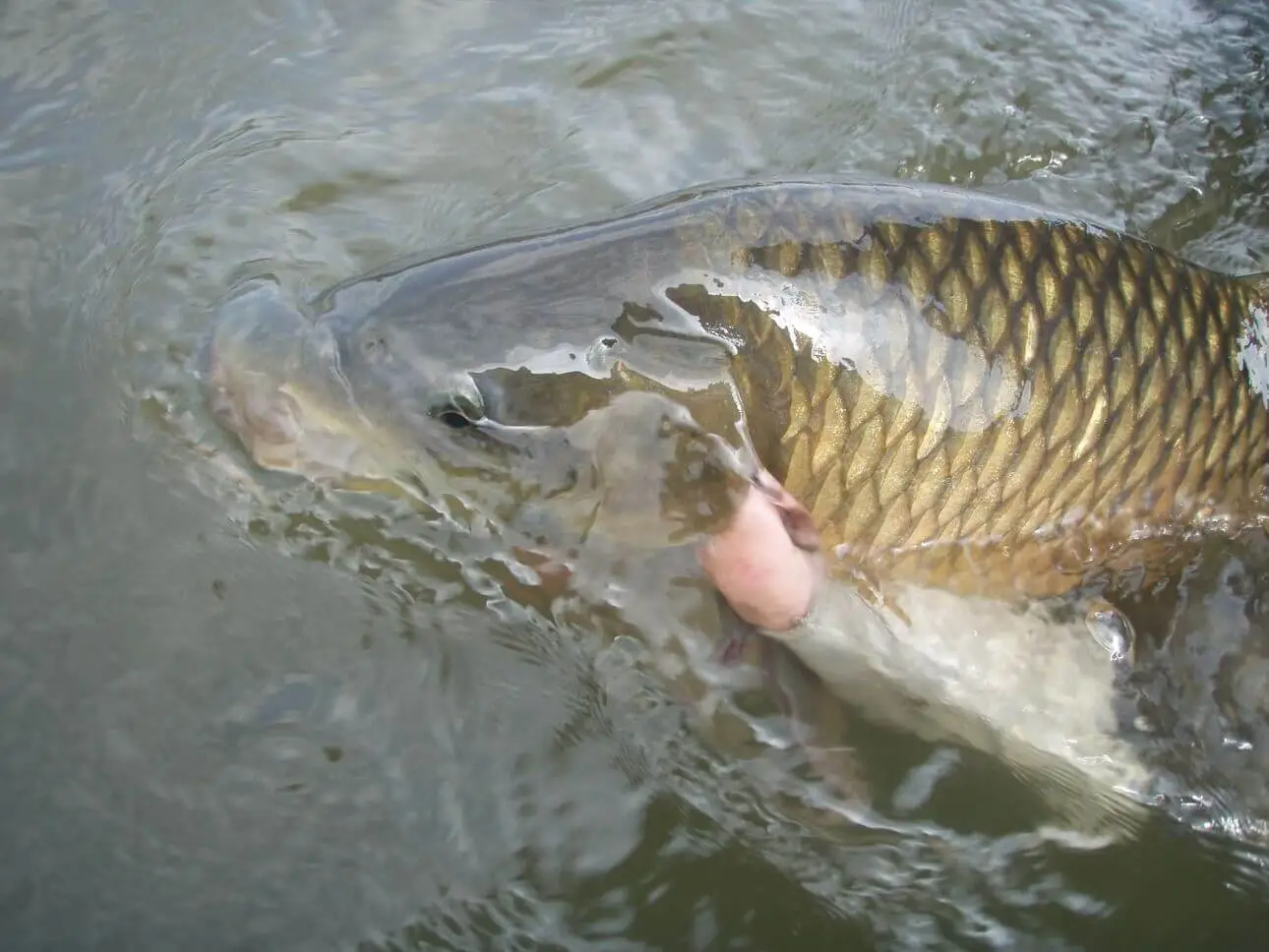
Shayne Prinsloo — Vaal River Euro nymphing 4.5kg Smallmouth Yellowfish.
Guided Euro Nymphing
Bring your current setup. Leave with a repeatable system.
Learn how to read seams, select bead weight, control short drifts and detect takes on the Vaal River. September dates are opening now, and weekend dates normally attract the earliest enquiries.
Full payment is requested only after availability and the river plan are confirmed.